Florarium — what it is and how it began
The story of florariums begins in the 18th century.
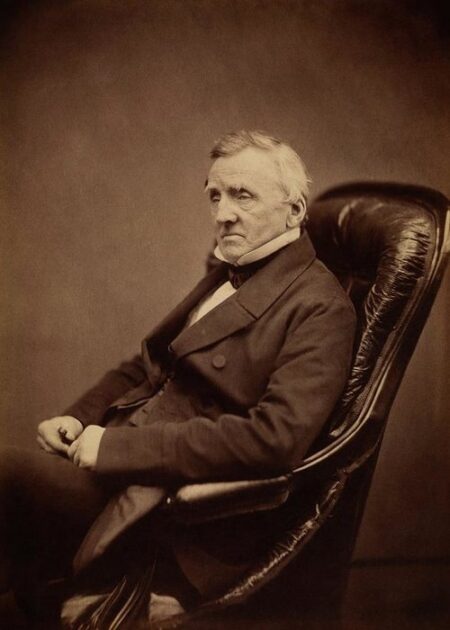
Dr. Nathaniel Ward — a botanist, enthusiast, and collector — watched plants weaken and die in London’s polluted air and envisioned a vessel that could protect living greenery from the city’s harsh environment.
After studying plant growth in enclosed spaces, Ward concluded that a stable microclimate was essential. He created a small portable wooden greenhouse with glazed walls, later adding a lid and a door for easier care.
The invention became known as the Wardian case. These glass structures made it possible to transport exotic plants to Europe — and soon they spread around the world.
Over time, glass cases became a mark of taste and status: they appeared in shop windows, refined salons, and elegant homes. They were no longer purely practical — they became part of interior aesthetics.
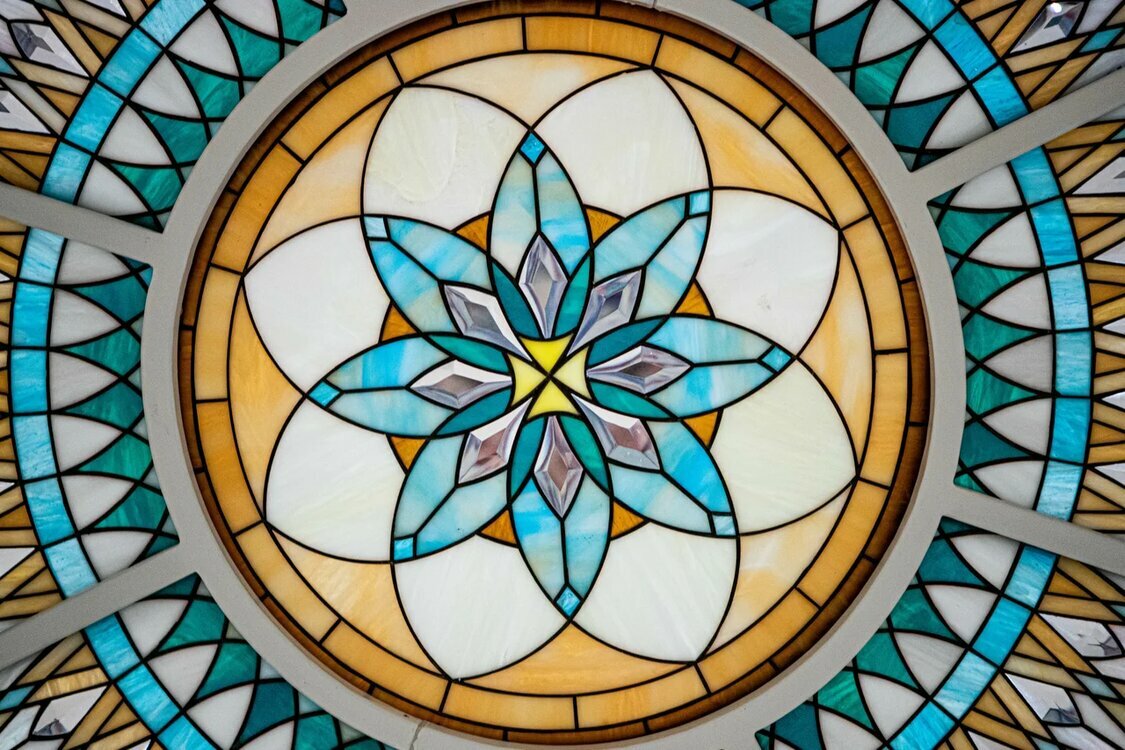
At the turn of the 19th–20th centuries, stained glass brought a new wave of inspiration. The technique was refined by American artist and glass designer Louis Comfort Tiffany and artist John La Farge.
A method where each glass piece is wrapped in thin copper foil and soldered with tin allowed not only flat panels but also delicate three-dimensional forms — graceful, yet durable.
Florariums were once crafted only by trained masters. Even today, despite their visual lightness, they remain complex objects where precision matters — and where true beauty is born from balance between nature and design.
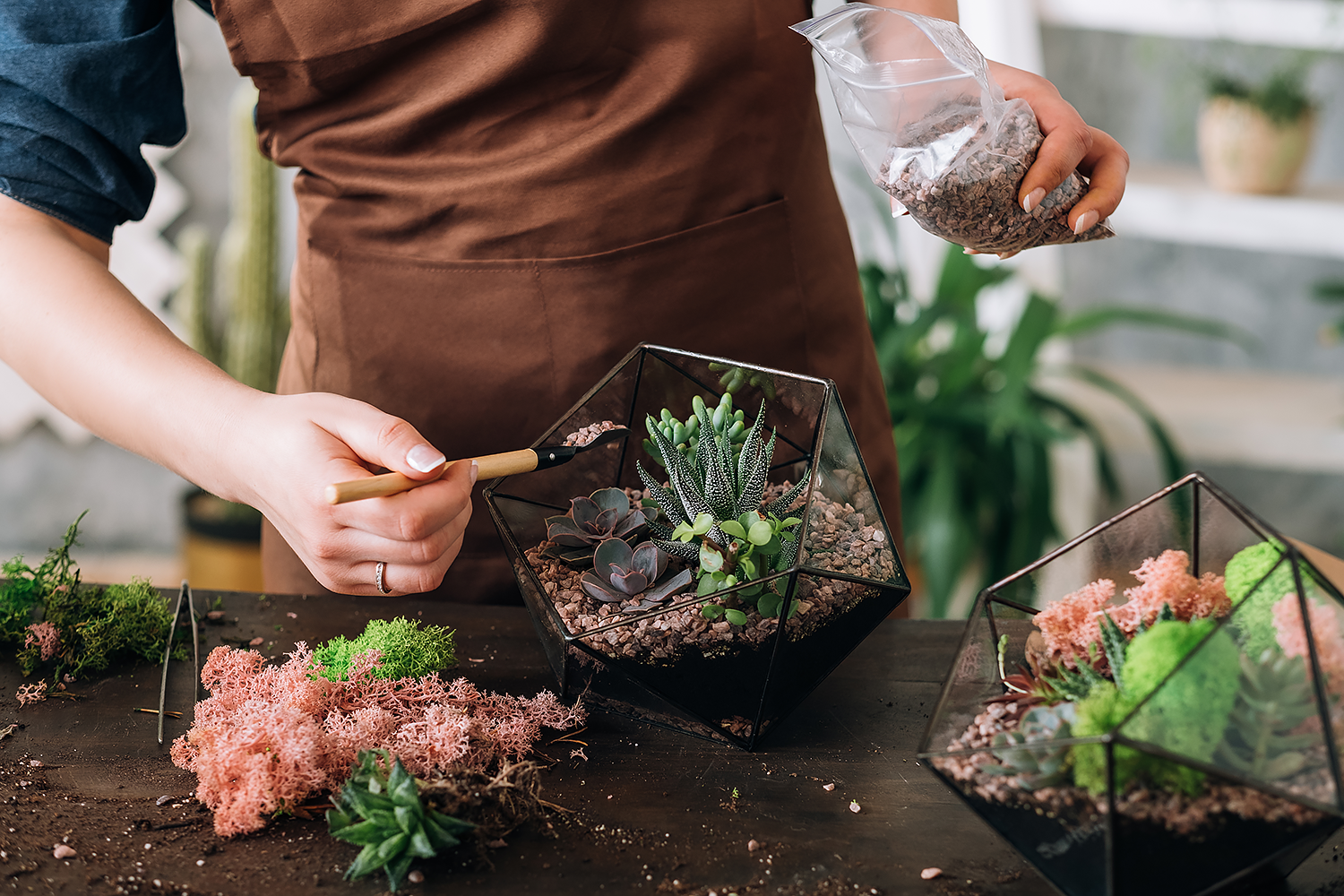
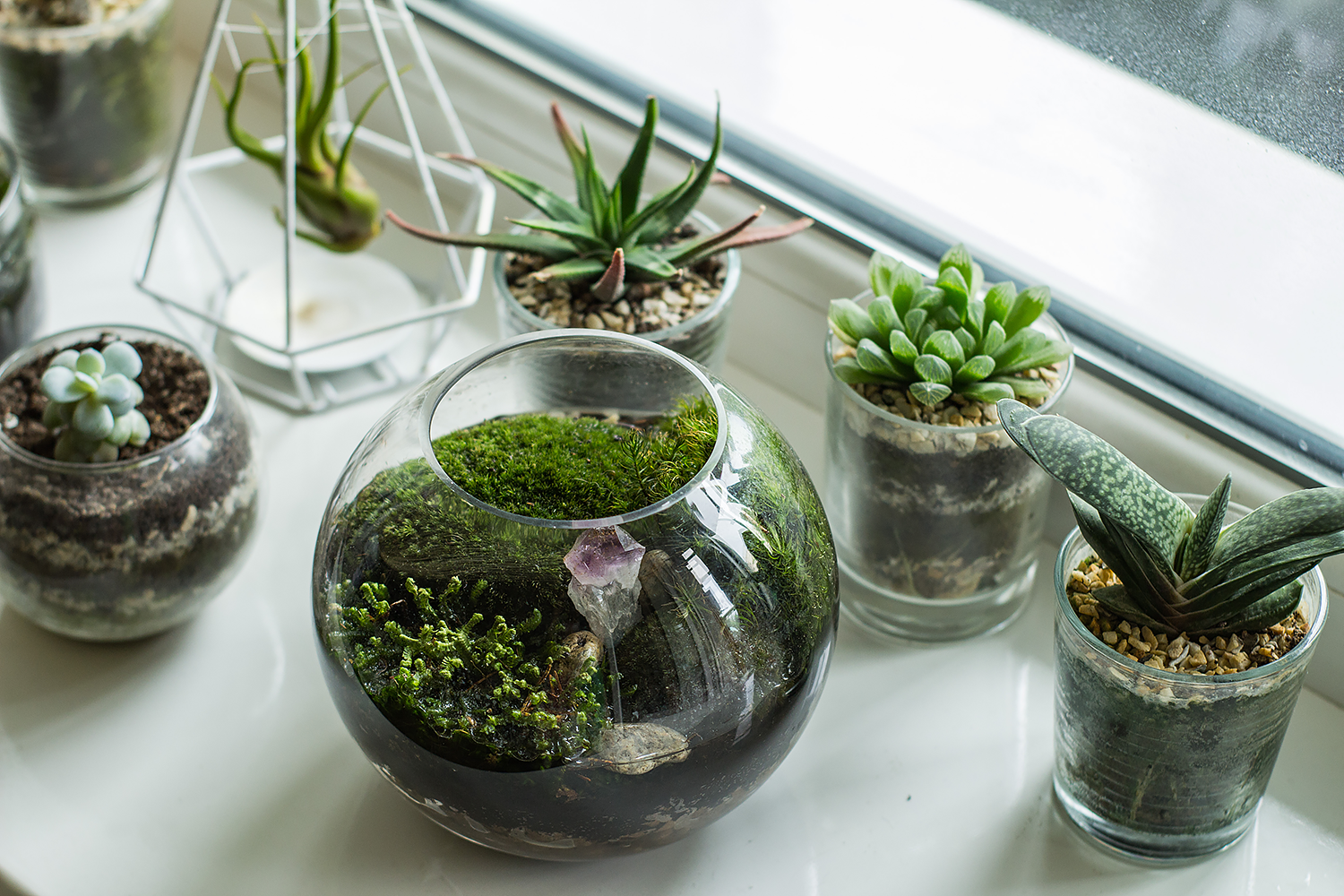
A florarium today is not simply glass and plants. It is a living composition in which every detail matters.
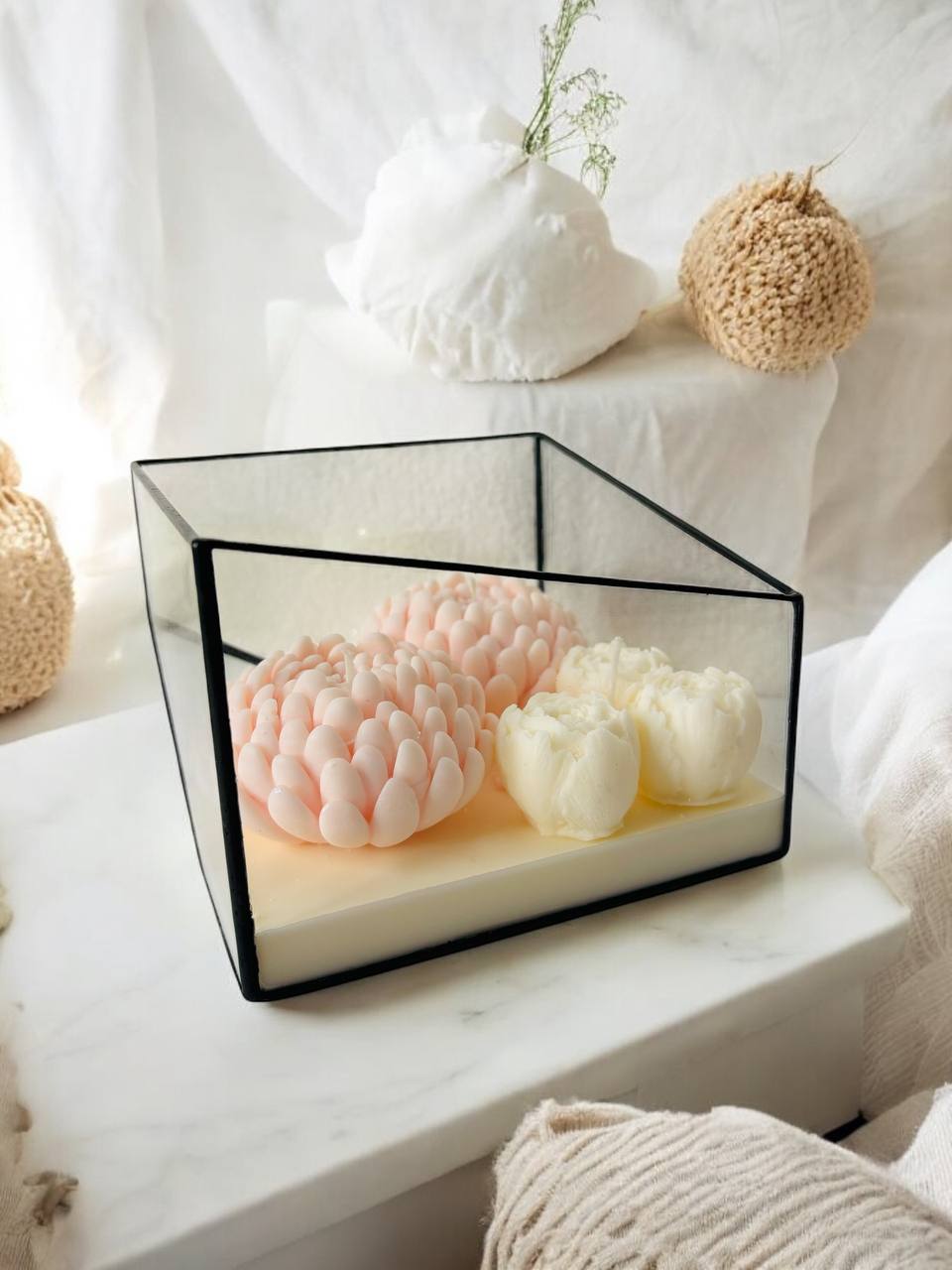
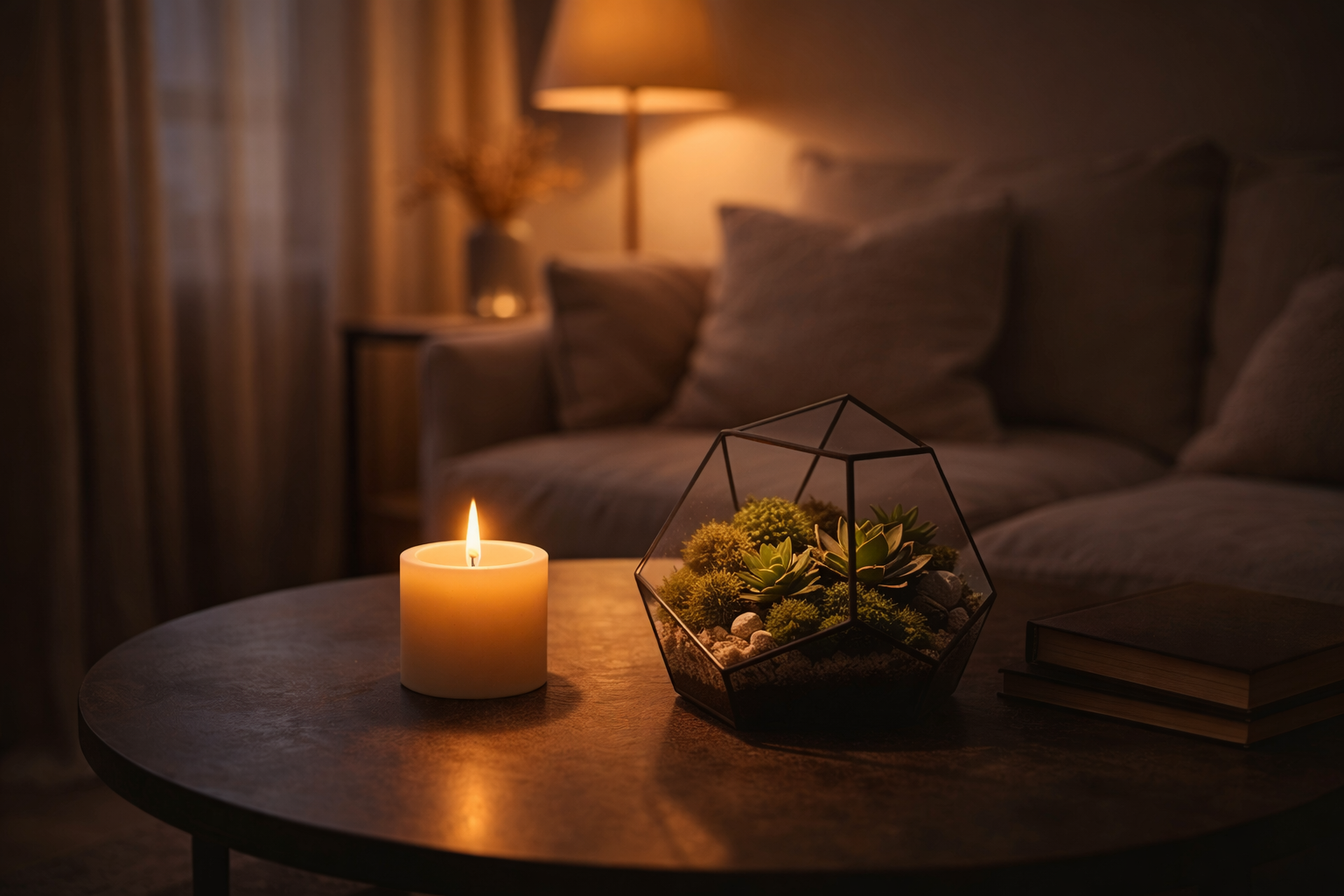
Each Velvet Noire florarium is a union of imagination, craftsmanship, and quiet warmth — that is why plants feel at ease inside, and the space receives a sense of harmony and living presence.